Adverbial Of Time / Adverbial clause of time - ESL worksheet by aki1112
Adverbial Of Time / Adverbial clause of time - ESL worksheet by aki1112. Position of adverbs of time and frequency. We use adverbial phrases of time, place, and frequency to describe where, when, or how often . We usually put them at the end of a sentence, but they can also change . Adverbs of time | definition. These include:afterwards, later, now, soon, yesterday etc.
We usually put them at the end of a sentence, but they can also change . Order of adverbs of time · 1 + 2: Some adverbs tell us when something happened or will happen. Position of adverbs of time and frequency. An adverb is a word that describes a verb, or action word.
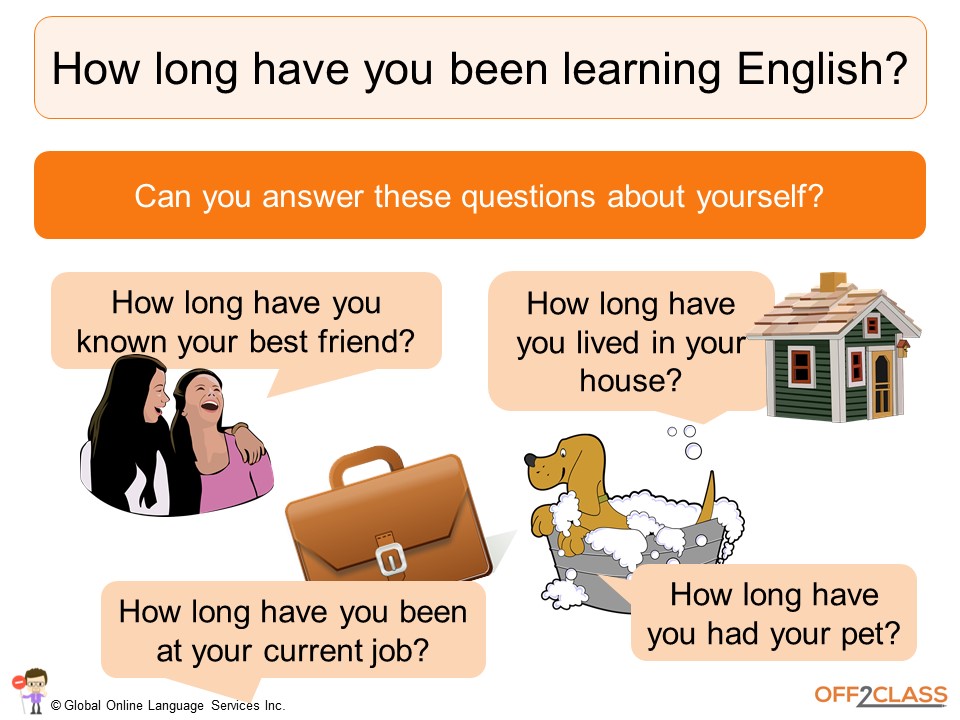
Adverbs of Time and Adverbs of Place Lesson Plans - Off2Class from www.off2class.com Yesterday he went to school. Like you might have guessed by their name, adverbs of time are a special type of adverb. This page has lots of examples and adverbial phrases and an interactive. An adverb is a word that describes a verb, or action word. Adverbs of time tell us when something happens. The magazine will be published (2) weekly (3) next year. Adverbs of time and definite frequency say when or how often something happens. Order of adverbs of time · 1 + 2:
The magazine will be published (2) weekly (3) next year.
These include:afterwards, later, now, soon, yesterday etc. This page has lots of examples and adverbial phrases and an interactive. We use adverbials of time to describe: Adverbs of time | definition. An adverb is a word that describes a verb, or action word. She was born in 1978. Adverbs of time tell us when something happens. I will see you later. Adverbs of time and definite frequency say when or how often something happens. They are a reference to time. We use adverbial phrases of time, place, and frequency to describe where, when, or how often . Adverbial phrases of time, place, and frequency. Some adverbs tell us when something happened or will happen.
Adverbs of time | definition. We use adverbials of time to describe: An adverbial phrase of time states when something happens or how often. An adverb is a word that describes a verb, or action word. Adverbs of time tell us when something happens.
Adverbs of Time from imgv2-1-f.scribdassets.com I will see you later. The magazine will be published (2) weekly (3) next year. What is the difference between adverbs of time and frequency? Adverbs of time | definition. We use adverbials of time to describe: These include:afterwards, later, now, soon, yesterday etc. We use adverbial phrases of time, place, and frequency to describe where, when, or how often . Adverbial phrases of time, place, and frequency.
Yesterday he went to school.
We usually put them at the end of a sentence, but they can also change . An adverb is a word that describes a verb, or action word. They are a reference to time. These include:afterwards, later, now, soon, yesterday etc. An adverb phrase or adverb (adverbial) clause gives us information about the verb such as. Like you might have guessed by their name, adverbs of time are a special type of adverb. Position of adverbs of time and frequency. What is the difference between adverbs of time and frequency? Adverbial phrases of time, place, and frequency. This page has lots of examples and adverbial phrases and an interactive. There was a storm during the . Adverbs of time tell us when something happens. She was born in 1978.
This page has lots of examples and adverbial phrases and an interactive. Yesterday he went to school. We use adverbial phrases of time, place, and frequency to describe where, when, or how often . These include:afterwards, later, now, soon, yesterday etc. I work (1) for five hours (2) every day.
adverbs - Liberal Dictionary from www.liberaldictionary.com Adverbs of time and definite frequency say when or how often something happens. Adverbial phrases of time, place, and frequency. Order of adverbs of time · 1 + 2: They are a reference to time. This page has lots of examples and adverbial phrases and an interactive. These include:afterwards, later, now, soon, yesterday etc. We use adverbials of time to describe: I will see you later.
An adverb is a word that describes a verb, or action word.
An adverb of time is an adverb (such as soon or tomorrow) that describes when the action of a verb is carried out. Yesterday he went to school. An adverb is a word that describes a verb, or action word. Adverbs of time | definition. There was a storm during the . Like you might have guessed by their name, adverbs of time are a special type of adverb. We use adverbial phrases of time, place, and frequency to describe where, when, or how often . These include:afterwards, later, now, soon, yesterday etc. She was born in 1978. Adverbial phrases of time, place, and frequency. Order of adverbs of time · 1 + 2: An adverbial phrase of time states when something happens or how often. This page has lots of examples and adverbial phrases and an interactive.


No comments:
Post a Comment